

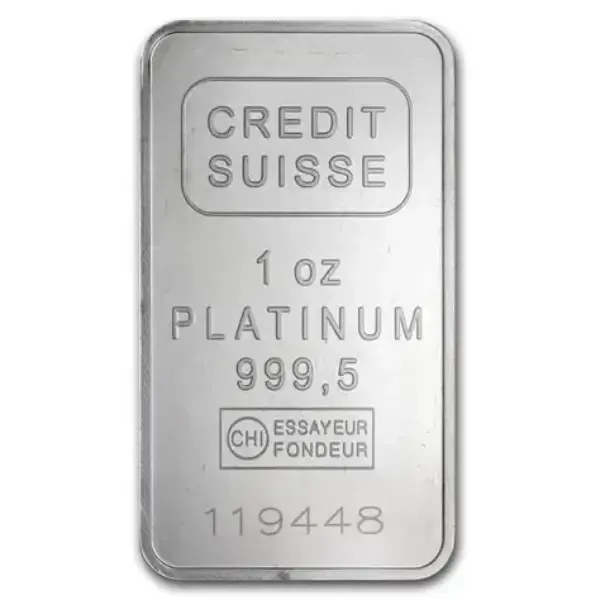
Platinum does not receive the same attention as gold or silver, yet it has an important place in the precious metals market. Its industrial applications, limited annual production, and physical characteristics make it interesting to buyers who want to understand metals beyond traditional gold investments.
However, buying platinum requires some research. Prices can change with industrial demand, economic conditions, and supply disruptions. Buyers also need to choose between coins and bars, which differ in pricing, availability, storage, and resale considerations. Understanding these differences can make it easier to select a product that suits individual purchasing goals.
What Makes Platinum Different From Other Precious Metals?
Platinum is a dense, corrosion-resistant metal used in several industries. Automotive catalytic converters, chemical processing equipment, jewelry, and certain medical applications all contribute to demand. Much of the world’s mined platinum comes from South Africa, making production sensitive to regional mining conditions, electricity supply, and operational challenges.
Unlike gold, which is widely associated with investment and monetary reserves, platinum has substantial industrial exposure. Its market value can therefore respond differently to changes in manufacturing activity. Although platinum is relatively scarce, scarcity alone does not guarantee higher prices. Supply, demand, investor expectations, and broader economic conditions all influence its value.
Why Some Buyers Prefer Platinum Coins
Government-issued bullion coins appeal to buyers who appreciate recognizable products with established specifications. People exploring platinum coins may encounter products such as American Platinum Eagles, Canadian Platinum Maple Leafs, and other bullion issues from recognized mints. These coins usually feature official designs, stated metal content, and government-backed specifications. Some also carry a legal-tender face value, although their bullion market value is generally much higher.
One advantage of recognizable coins is that established precious metals dealers may be familiar with their characteristics. However, government-issued coins can carry higher premiums than comparable bars because minting, distribution, and market demand affect retail pricing. Collectors may also pay additional premiums for particular dates, finishes, or limited editions.
The Practical Appeal of Platinum Bars
Platinum bars offer a different ownership experience. Instead of emphasizing coin designs or denominations, they focus primarily on the quantity and purity of the metal. Bars are produced in different weights by established precious metals refiners. Many include markings showing the manufacturer’s identity, metal weight, and fineness. Buyers looking at platinum bars often compare their premiums with those of bullion coins containing similar amounts of platinum.
Larger bars may provide a lower premium per ounce, although this depends on manufacturer reputation, available inventory, and market conditions. Bars also have compact shapes that make them convenient to organize in secure storage. The main consideration is flexibility. A large bar cannot easily be divided into smaller units for resale while maintaining its original bullion form.
How Premiums Influence the Purchase Price
Precious metals dealers generally sell products above the prevailing spot price. This additional amount is called the premium. Premiums help account for manufacturing, distribution, dealer expenses, and market conditions. They can vary considerably between individual products.
Before purchasing platinum, buyers should compare several factors:
-
Metal content: Confirm the weight and fineness of each product.
-
Total price: Calculate the amount paid per troy ounce.
-
Manufacturer: Consider whether the mint or refinery is widely recognized.
-
Dealer policies: Review shipping charges, returns, and buyback arrangements.
-
Product availability: Understand whether limited inventory affects pricing.
The lowest advertised premium is not always the best deal if other charges increase the final cost.
Storage and Resale Considerations
Physical platinum requires secure storage, just like gold and silver. Home safes, bank safe-deposit boxes, and professional vaulting services offer different levels of accessibility and security. Buyers should also preserve invoices, assay certificates where supplied, and relevant packaging.
Before purchasing, it is worth asking how readily a product can be resold. Some dealers may prefer specific mint products or sizes, while less familiar items could require additional verification. Market liquidity matters because platinum has a smaller investment market than gold. Resale offers may differ significantly between dealers or during periods of market volatility.
Should Platinum Be Part of a Retirement Strategy?
Some investors consider platinum as part of a broader precious metals allocation. Certain platinum bullion products may qualify for precious metals IRAs when they satisfy applicable IRS requirements. However, eligibility depends on the specific product and its compliance with relevant rules. IRA-owned metals must also follow approved custody and storage arrangements.
Anyone considering platinum for retirement purposes should consult a qualified financial or tax professional before purchasing.
Conclusion
Platinum coins and bars provide different ways to own a metal influenced by both investment interest and industrial demand. Coins may appeal to buyers who value recognizable mint products, while bars can suit those focused-on metal quantity and straightforward storage.
Product information available through gibraltarira.com can help buyers compare platinum bullion options and understand their characteristics. Careful attention to premiums, authenticity, storage, and resale conditions remains essential before making any purchase.
