

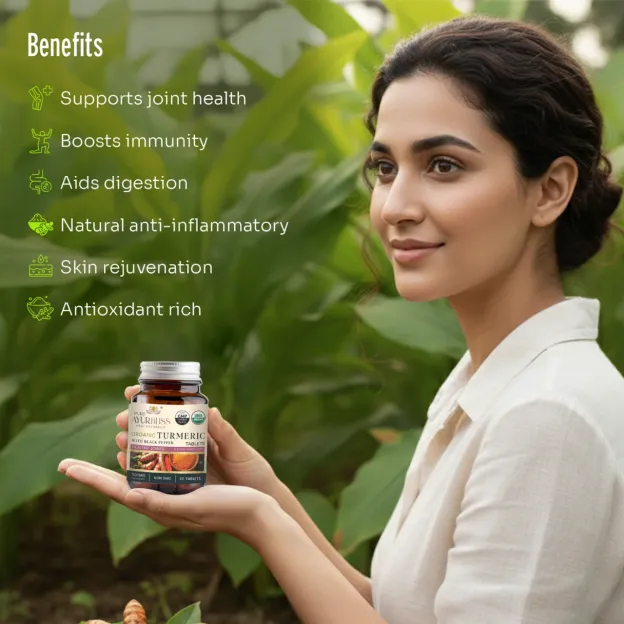
Modern lifestyles can make it challenging to maintain consistent eating habits. Busy workdays, irregular meals, and limited time for meal preparation often encourage people to look for convenient ways to support their nutritional routines. Herbal products are one option many consumers explore, particularly when they want to incorporate traditional ingredients into their everyday lives.
Among these options, organic turmeric capsules have attracted attention because turmeric has a long history of use in traditional Indian cooking and wellness practices. However, choosing a supplement requires more than recognising a familiar ingredient. Understanding its formulation, potential benefits, limitations, and suitability is essential before making it part of a regular routine.
A thoughtful approach helps consumers distinguish between traditional use, emerging scientific evidence, and claims that may not be adequately supported.
Why Are Herbal Supplements Becoming Popular?
Herbal supplements appeal to people who prefer convenient formats for ingredients traditionally consumed through food or used in established wellness systems. Capsules and tablets can be easier to carry, measure, and incorporate into a daily schedule than preparing certain ingredients separately.
Interest in traditional wellness has also encouraged consumers to explore botanical ingredients beyond their usual culinary applications. Turmeric, amla, ginger, and other plant-derived ingredients are commonly discussed in this context.
Nevertheless, natural origin does not automatically mean a product is safe, effective, or suitable for everyone. The quality of the ingredients, the concentration used, the manufacturing process, and an individual’s health circumstances all influence whether a supplement is appropriate.
Supplements should complement a balanced lifestyle rather than replace nutritious meals, adequate sleep, physical activity, or medical treatment.
Understanding Organic Turmeric Capsules
Turmeric is a spice obtained from the rhizome of the Curcuma longa plant. It contains naturally occurring compounds known as curcuminoids, including curcumin, which has been studied for its antioxidant and anti-inflammatory properties.
Culinary turmeric and concentrated supplements are different in important ways. A capsule may contain turmeric powder, a standardised extract, or a formulation combined with other ingredients. Consequently, two products labelled as turmeric supplements may not provide equivalent compositions.
What Should You Look for on the Label?
Before purchasing a supplement, examine the product information carefully.
● Ingredient composition: Check whether the capsule contains whole turmeric powder, an extract, or a combination of ingredients.
● Serving information: Review the quantity per serving and follow the manufacturer’s directions.
● Quality assurance: Look for credible information about manufacturing standards, testing, and ingredient verification.
● Additional ingredients: Check for allergens, fillers, or compounds included to influence absorption.
● Storage instructions: Follow the recommended storage conditions and check the expiry date.
The word organic generally relates to how agricultural ingredients are produced and certified under the applicable standards. It does not, by itself, establish that a supplement is more effective or medically superior to every non-organic alternative.
What Are the Potential Benefits of Turmeric?
Turmeric is widely used in traditional diets, while its active compounds continue to be investigated in scientific research. Some studies suggest possible benefits in particular contexts, but the strength of evidence differs by condition, formulation, and study design.
1. Antioxidant Activity
Curcumin has demonstrated antioxidant activity in laboratory studies. Antioxidants help counter oxidative processes involving unstable molecules, although the effects observed in laboratory settings cannot automatically be translated into measurable health improvements from supplementation.
The body’s antioxidant systems depend on multiple processes, including normal metabolism and the nutrients supplied by a varied diet.
2. Research into Inflammatory Processes
Curcumin has also been studied for its relationship with inflammatory pathways. Some clinical studies have reported promising findings for specific outcomes, but limitations in study quality, sample sizes, and supplement formulations make broad conclusions difficult.
Consumers should be cautious about products claiming to treat inflammatory diseases or replace prescribed medication. Anyone seeking support for an ongoing health concern should discuss suitable options with a qualified healthcare professional.
3. Convenience Within a Wellness Routine
For people who have already decided that a supplement is appropriate, capsules may provide a convenient alternative to measuring powdered ingredients. They can also make it easier to follow a consistent serving schedule.
However, convenience should not be confused with necessity. Many people can enjoy turmeric through ordinary cooking without needing a concentrated supplement.
Turmeric Tablets and Capsules: What Is the Difference?
The terms tablet and capsule refer to different dosage forms. Tablets generally contain compressed ingredients, whereas capsules enclose powder, granules, or other formulations within a shell.
Neither format is automatically better in every situation. Product composition, serving size, manufacturing quality, and suitability matter more than the format alone.
People researching turmeric tablet uses should distinguish between traditional uses of turmeric as a food ingredient and the specific health claims made for a supplement. Evidence relating to one formulation may not apply to another, particularly when the concentrations of curcumin or other compounds differ.
Before choosing a product, consider whether you need a supplement at all, whether its ingredients match your requirements, and whether professional guidance is advisable.
How to Evaluate Herbal Products Responsibly
The growing range of botanical products makes careful evaluation especially important. A few practical checks can help consumers avoid misleading claims and make better-informed choices.
Check the Evidence Behind Health Claims
Be cautious of statements promising guaranteed results, rapid weight loss, detoxification, or cures for chronic conditions. Reliable product information should explain what the product contains without presenting preliminary research as conclusive proof.
Understand the Manufacturing Standards
Look for transparent ingredient information and relevant quality documentation. Where certification is claimed, check whether it applies to the specific product and whether the certifying organisation is credible.
Consider Your Individual Circumstances
A supplement that is suitable for one person may not be appropriate for another. Allergies, existing medical conditions, pregnancy, breastfeeding, and prescribed medicines can all affect suitability.
Concentrated turmeric or curcumin supplements may cause digestive discomfort and can interact with certain medicines. Some formulations have also been associated with rare cases of liver injury. Seek advice from a healthcare professional before using a concentrated product, especially if you take regular medication or have an existing health condition.
Follow the Recommended Directions
Taking more than the recommended amount does not necessarily improve results and may increase the risk of adverse effects. Do not combine multiple products containing similar ingredients without checking their total intake and potential interactions.
The Role of Ayurvedic Herbs in Everyday Well-Being
Ayurveda is a traditional Indian system that places emphasis on diet, daily routines, and approaches tailored to individual needs. Within this tradition, plants and botanical ingredients have been used in different preparations for generations.
Today, consumers can explore ayurvedic herbs in the form of culinary ingredients, powders, teas, and supplements. These formats differ in concentration and intended use, so it is important to evaluate each product individually rather than assuming that every traditional ingredient has the same evidence or safety profile.
A balanced approach can respect traditional food practices while applying modern standards of quality and evidence. For example, turmeric may be used to flavour lentils and vegetables, while other ingredients can contribute variety to a diverse diet.
Supplements should be considered separately from food ingredients because their concentrated formulations may produce different effects and risks.
Building a Sustainable Daily Routine
No single supplement can compensate for inconsistent eating patterns or insufficient rest. A sustainable routine begins with habits that are realistic enough to maintain over time.
Prioritise varied meals that include vegetables, fruits, pulses, whole grains, and suitable sources of protein. Stay physically active in ways that fit your circumstances, maintain a regular sleep schedule, and make time for activities that help manage everyday stress.
If a healthcare professional recommends a supplement, follow the guidance provided and monitor how you respond. Keep the product packaging available so that its ingredients can be checked if questions arise.
For consumers exploring organic turmeric capsules, these principles provide a useful framework for assessing whether a particular product fits their needs. The same careful approach should apply when comparing products marketed around turmeric tablet uses or other botanical ingredients.
Conclusion
Herbal supplements can be convenient, but informed choices require attention to ingredient quality, scientific evidence, individual suitability, and responsible use. Turmeric remains a versatile culinary ingredient, while concentrated products should be assessed according to their formulation and intended purpose.
Pure Ayurbliss offers products inspired by traditional Ayurvedic wellness practices, including turmeric-based options for consumers exploring botanical ingredients. Reviewing product details carefully and seeking professional advice when necessary can help consumers make choices that align with a balanced, evidence-informed approach to well-being.
