

Creating a stylish wardrobe does not require replacing clothes every season or buying expensive pieces whenever a new trend appears. A more practical approach is to understand personal preferences, identify useful wardrobe gaps, and choose items that can be worn in several ways.
Online fashion resources can make that process easier by providing ideas beyond traditional advertising. Following a Sonia Begonia fashion blogger style of content, for example, can expose readers to fashion inspiration, product comparisons, and accessible ways to interpret popular looks without assuming that every trend requires a major investment.
Begin With Clothes You Actually Wear
A wardrobe can be full and still feel difficult to use. This often happens when individual purchases do not work well together or no longer suit a person’s daily routine.
Start by identifying the pieces worn most frequently. These might include a favorite pair of jeans, comfortable trousers, simple tops, versatile dresses, or dependable jackets.
Looking at these favorites reveals useful patterns. Similar colors, fabrics, fits, or silhouettes often appear repeatedly, providing a clearer picture of what genuinely works.
Create a Reliable Foundation
Wardrobe basics are different for everyone. One person might rely on tailored trousers and shirts, while another gets far more use from denim, knitwear, and casual dresses.
The important point is versatility. Foundation pieces should be easy to combine and appropriate for situations that occur regularly.
Neutral colors can help, but they are not mandatory. Someone who frequently wears color can build a practical foundation around shades that naturally coordinate with one another.
Spend According to Use
A realistic fashion budget becomes easier to manage when spending is connected to expected use. Items worn frequently may justify a larger share of the budget than highly specific occasion pieces.
For example, comfortable everyday shoes might be used several times each week. A dramatic handbag purchased for one particular event may have fewer opportunities to leave the wardrobe.
Thinking about frequency before buying encourages shoppers to consider long-term usefulness rather than focusing entirely on the initial price.
Explore Designer-Inspired Options Thoughtfully
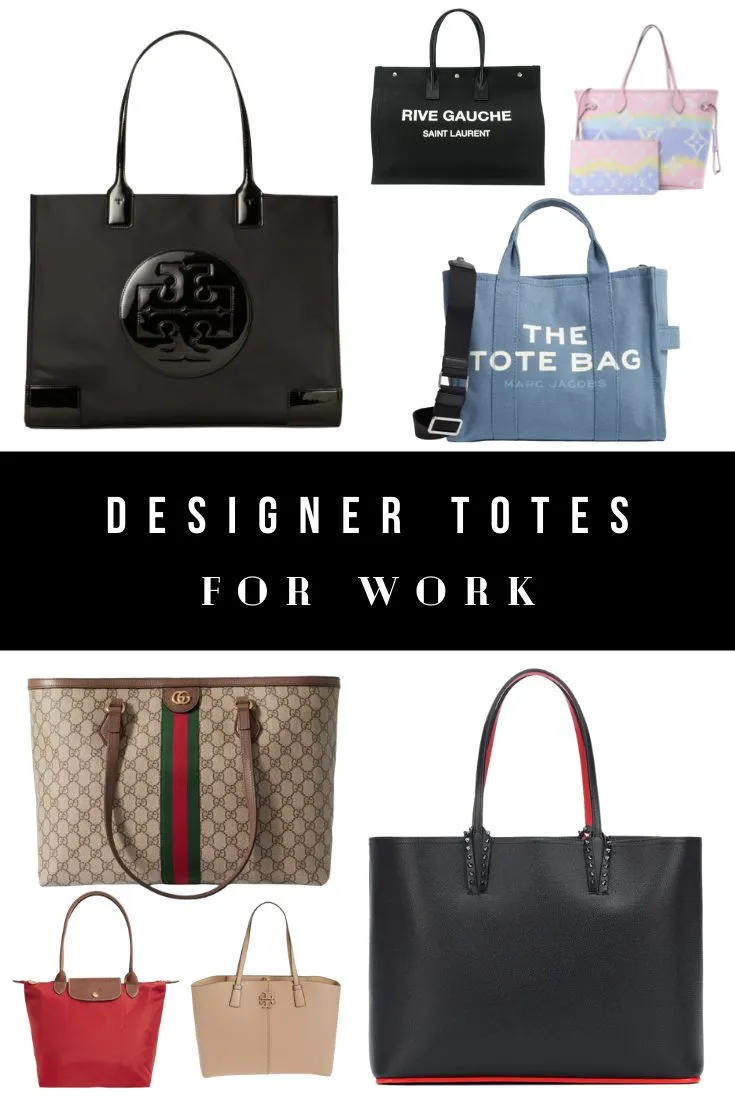
Luxury fashion has a strong influence on mainstream trends, especially in handbags, shoes, jewelry, and accessories. However, enjoying a particular aesthetic does not mean the original designer product will suit every person’s budget.
Resources covering Designer Dupes can introduce alternatives across more accessible price ranges. When comparing options, shoppers should still pay attention to the qualities that matter in everyday use.
Dimensions, materials, closures, strap length, compartments, and care requirements are worth checking. The most visually similar option is not automatically the most practical one.
Give Every Purchase More Than One Purpose
Before adding something new, imagine how it could work with several existing outfits. This small exercise can prevent purchases that look appealing individually but are difficult to style later.
A lightweight jacket might work over a dress, with jeans, or alongside tailored trousers. A simple shoulder bag could move between casual daytime outfits and smarter evening combinations.
Pieces with several styling possibilities usually make a wardrobe easier to manage. They also create more outfit combinations without requiring more clothing.
Leave Room for Personality
A practical wardrobe should not become boring. Basics provide a foundation, but accessories, colors, textures, and occasional statement pieces can make outfits feel personal.
Someone who prefers minimal clothing might introduce interest through jewelry or footwear. Another person may enjoy patterned dresses while keeping accessories simple.
There is no universal formula. The best balance depends on what someone enjoys wearing and how much variety they want from their clothes.
Avoid Buying for an Imaginary Lifestyle
One common shopping mistake is purchasing clothes for situations that rarely happen. A wardrobe may gradually fill with formal dresses, uncomfortable shoes, or highly specific pieces despite everyday life being mostly casual.
Shopping for the routine you actually have creates a more functional collection. Occasion pieces still have a place, but they do not need to dominate available space or spending.
Regularly reviewing lifestyle needs also helps as circumstances change. Work arrangements, travel habits, climate, and social activities can all influence what remains useful.
Conclusion
Building a stylish wardrobe on a realistic budget is mainly about making deliberate choices. Start with pieces that already work, identify genuine gaps, and consider how often a potential purchase will be worn. Versatility matters, but there should still be space for color, interesting accessories, and personal expression. When each addition has a clear purpose and works naturally with existing clothing, creating outfits becomes simpler, and the wardrobe becomes more useful over time.
